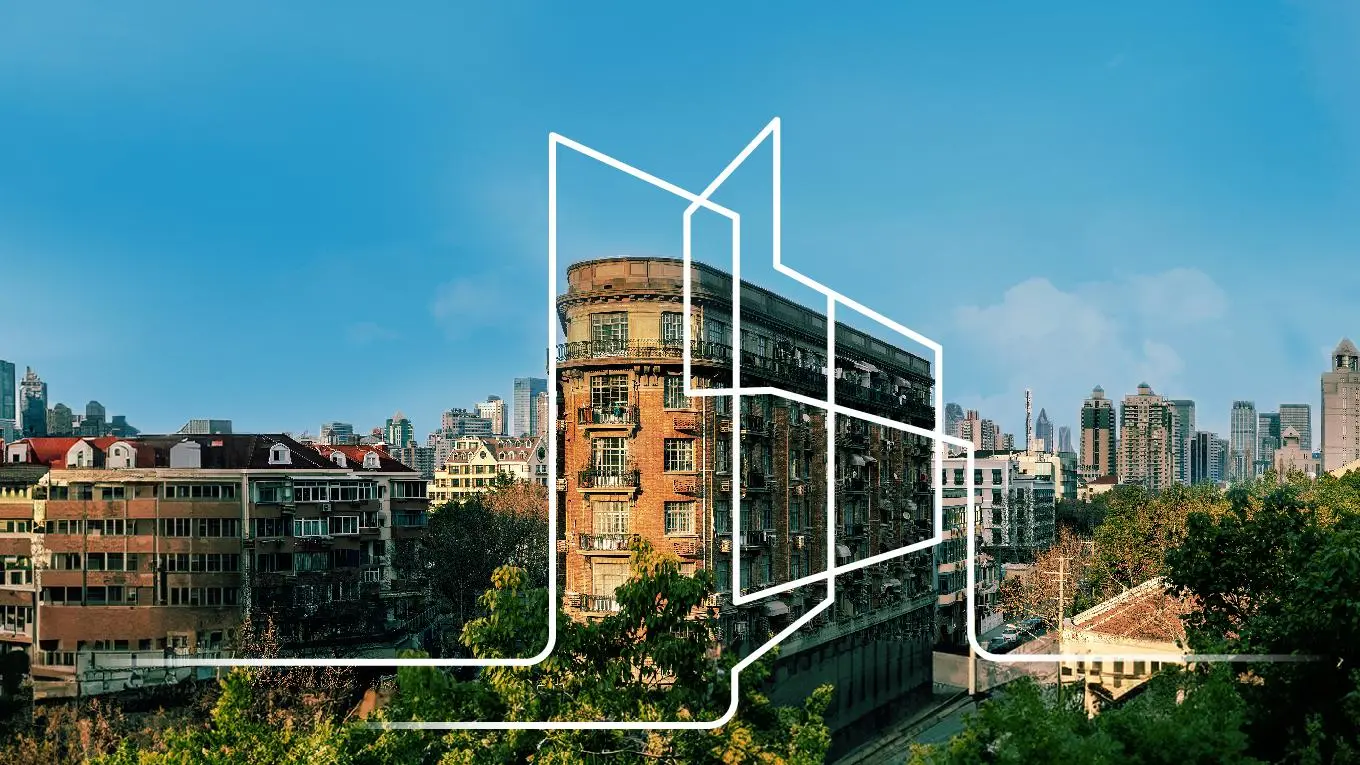
In an era of rapid technological advancement and growing environmental concerns, the modernization of existing buildings has become a critical priority for urban development and sustainability. Rather than demolishing and reconstructing, building modernization offers a strategic approach to upgrading structures to meet contemporary standards of efficiency, safety, and functionality.
The Need for Modernization
Buildings constructed decades ago often face significant challenges in today’s world. Outdated electrical systems, inefficient insulation, obsolete mechanical systems, and accessibility limitations make these structures inadequate for modern requirements. Additionally, aging buildings typically consume excessive energy, contributing to higher operational costs and increased carbon footprints. Modernization addresses these issues while preserving the inherent value and character of existing structures.
Key Components of Building Modernization
Energy Efficiency Upgrades
One of the primary focuses of modernization is improving energy efficiency. This includes installing high-performance insulation, energy-efficient windows, LED lighting systems, and smart climate control mechanisms. Modern HVAC systems can reduce energy consumption by 30-50% compared to older models, while smart building technologies enable real-time monitoring and optimization of energy usage.
Structural Reinforcement
Many older buildings require structural improvements to meet current safety standards and seismic requirements. This may involve strengthening foundations, reinforcing load-bearing elements, and upgrading fire protection systems. These enhancements not only ensure occupant safety but also extend the building’s functional lifespan.
Technological Integration
Modern buildings must accommodate today’s technological demands. This includes implementing advanced communication infrastructure, security systems, and building automation. Smart building technologies enable centralized control of lighting, temperature, security, and other systems, improving both efficiency and occupant experience.
Accessibility Improvements
Modernization projects often incorporate accessibility features to comply with current regulations and ensure inclusive design. This may involve installing elevators, ramps, accessible restrooms, and other modifications that make buildings usable for people with disabilities.
Benefits of Building Modernization
Environmental Impact
Modernized buildings significantly reduce environmental impact through decreased energy consumption and lower carbon emissions. According to industry studies, building modernization can reduce energy usage by 25-40%, making it a crucial strategy for achieving sustainability goals.
Economic Advantages
While initial investment may be substantial, modernization offers compelling long-term economic benefits. Reduced energy costs, lower maintenance expenses, and increased property values provide attractive returns on investment. Additionally, modernized buildings often command higher rental rates and occupancy levels.
Preservation of Cultural Heritage
Unlike demolition and reconstruction, modernization preserves the architectural and historical significance of existing buildings while upgrading their functionality. This approach maintains urban character and cultural continuity, which is particularly valuable in historic districts.
Challenges and Considerations
Despite its benefits, building modernization presents several challenges. Technical complexities arise when integrating new systems with existing structures, often requiring innovative engineering solutions. Budget constraints frequently limit the scope of modernization projects, necessitating careful prioritization of improvements. Additionally, modernization work in occupied buildings requires careful planning to minimize disruption to tenants.
Future Trends in Building Modernization
The future of building modernization is increasingly focused on sustainability and smart technology. Net-zero energy buildings, which produce as much energy as they consume, are becoming the gold standard. The integration of artificial intelligence for predictive maintenance and energy optimization is also gaining traction. Furthermore, the use of sustainable materials and circular economy principles is transforming how modernization projects are approached.
Conclusion
Building modernization represents a strategic approach to addressing the challenges of aging infrastructure while promoting sustainability and efficiency. By upgrading existing structures rather than demolishing and reconstructing, we can preserve architectural heritage, reduce environmental impact, and create buildings that meet the demands of modern life. As technology continues to advance and environmental concerns intensify, building modernization will play an increasingly vital role in shaping sustainable urban environments for future generations.
The success of modernization projects depends on careful planning, innovative solutions, and a balanced approach that considers economic, environmental, and social factors. When executed effectively, building modernization not only extends the life of existing structures but transforms them into assets that serve both current and future generations.