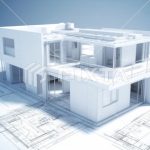
In the last few decades, home development has transformed from a purely functional industry into a blend of architecture, technology, and lifestyle design. No longer is a home just a shelter; it’s a reflection of personal identity, comfort, and the social shifts of our times. From sustainable materials to smart home automation, the evolution of home development mirrors how we, as humans, continue to adapt to a changing world.
Home development, at its core, combines architecture, construction, and community planning. Traditionally, the process focused on creating safe and livable spaces that met basic human needs. However, modern home developers must now think beyond the basics incorporating environmental responsibility, digital technology, and aesthetic appeal into every design.
Today’s homeowners expect more than four walls and a roof. They seek homes that make their lives easier, healthier, and more connected. Developers are responding with innovative designs that blend nature with modern living. Open floor plans, natural lighting, and energy-efficient systems are no longer considered luxury features; they are becoming essential elements of contemporary housing.
Sustainability as the Heart of Home Building
One of the most significant trends in modern home development is the emphasis on sustainability. Climate change, resource scarcity, and growing environmental awareness have pushed both developers and buyers to think green. Eco-friendly construction is not just a buzzword anymore it’s an expectation.
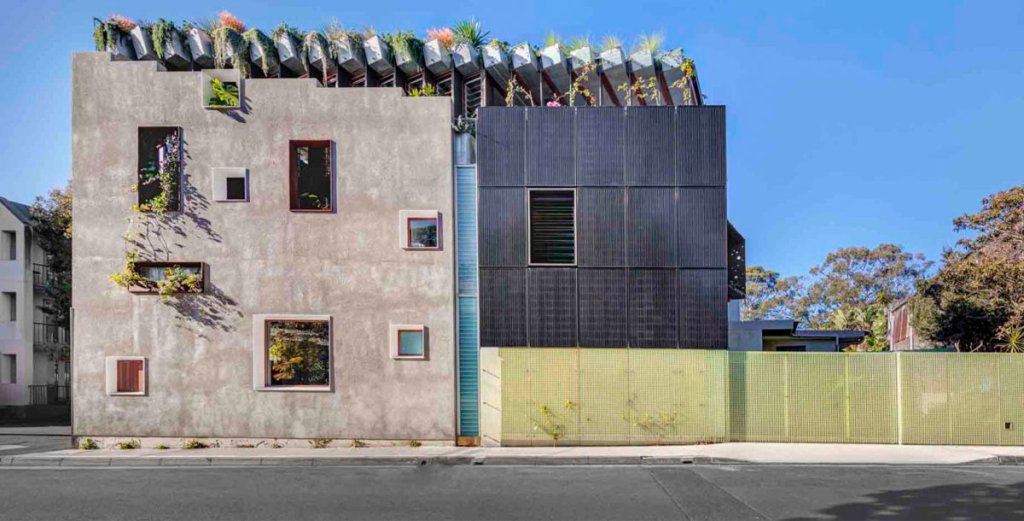
Sustainable homes focus on minimizing waste, conserving energy, and using renewable resources. Developers are increasingly turning to materials such as recycled steel, bamboo, reclaimed wood, and low-emission concrete. Solar panels, rainwater harvesting systems, and energy-efficient insulation are also being integrated into home designs. These innovations don’t just reduce environmental impact; they also lower long-term costs for homeowners.
Green home certifications, like LEED (Leadership in Energy and Environmental Design), have further encouraged builders to adopt eco-conscious practices. These certifications add value to properties, signaling to buyers that their home is built responsibly and will save them money in the long run.
The Rise of Smart Homes
Technology has reshaped almost every aspect of our lives, and home development is no exception. Smart homes once a futuristic dream are now a reality for many households around the world. Developers are embedding digital infrastructure directly into new homes, allowing residents to control lighting, temperature, and security systems with a single tap on their smartphones.
Artificial intelligence (AI) and the Internet of Things (IoT) have made it possible for homes to “learn” the habits of their occupants. Imagine a house that adjusts the thermostat when you’re away, waters the plants automatically, or locks the doors once you’ve gone to bed. These advancements not only add convenience but also improve energy efficiency and safety.
Moreover, smart home technologies have made remote work and home-based lifestyles more practical. With high-speed internet, noise insulation, and dedicated office spaces becoming standard features, developers are adapting to a world where home is also the workplace.
Community and Connectivity
While the physical home remains central, the concept of home development extends beyond the property line. Developers are increasingly focusing on the communities that surround these homes. A well-designed neighborhood with parks, bike paths, shared gardens, and social spaces enhances the overall living experience.
Urban planners are adopting mixed-use designs, where residential, commercial, and recreational spaces coexist. This kind of integration promotes walkability and reduces dependence on cars, which in turn contributes to sustainability goals. People want to live in places where they can walk their children to school, grab a coffee nearby, and meet neighbors in green, open spaces.
Community-focused development also helps combat social isolation. In the digital age, where people are often glued to screens, thoughtfully designed neighborhoods encourage human interaction, a fundamental aspect of well-being that’s easy to overlook in modern life.
Challenges in the Industry
Despite all the innovation, home development still faces significant challenges. Rising land prices, labor shortages, and material costs have made it difficult to keep homes affordable. Developers must constantly balance the desire for quality and sustainability with the need for economic feasibility.
There’s also the challenge of urban density. As cities grow, available land becomes scarce. This has led to a surge in vertical housing developments from sleek high-rises to modular apartment systems. While these solutions address space constraints, they require new approaches to design, ventilation, and community integration.
Government policies and zoning regulations also play a crucial role. In many regions, outdated laws make it difficult to introduce modern, sustainable designs or mixed-use projects. Collaboration between public authorities and private developers is essential to create housing solutions that meet both current and future needs.
The Future of Home Development
Looking ahead, the future of home development lies in balance between technology and nature, innovation and tradition, individuality and community. The next generation of homes will likely feature carbon-neutral designs, advanced automation, and flexible layouts that can adapt to changing lifestyles.
The growing popularity of modular construction and 3D-printed homes suggests that building efficiency will continue to improve. These methods reduce waste, speed up construction times, and allow for greater customization. Imagine ordering a home design online and having it built in a matter of weeks that the future is closer than many realize.
In the end, home development is not just about creating physical structures. It’s about shaping the environments in which people grow, dream, and build their lives. As technology advances and sustainability becomes non-negotiable, developers have the opportunity and the responsibility to redefine what “home” truly means for the generations to come.