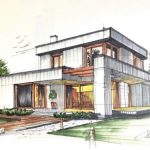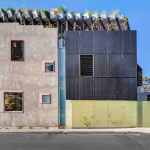
In an era of accelerating change, the concept of ‘home’ is evolving at a breakneck pace. It’s no longer just a structure of bricks and mortar; it’s a dynamic ecosystem—a sanctuary, an office, a health hub, and an integral part of a larger global community. For developers, builders, and future homeowners alike, the next generation of home development is defined by three non-negotiable pillars: sustainability, intelligent integration, and a deep focus on occupant well-being. The time for basic, cookie-cutter builds is over. The market now demands residences that are adaptable, resilient, and fundamentally smarter about how they interact with their inhabitants and the planet.
The Imperative of Sustainable Development: Building a Greener Future
Sustainability is no longer a niche luxury; it is fast becoming the standard expectation for new home construction. This shift is driven by both environmental responsibility and a practical need to mitigate rising energy costs. Modern sustainable development goes far beyond simply installing a few solar panels; it’s a holistic approach that starts with the very site selection and the orientation of the house.
The principles of passive design are making a powerful comeback. By strategically placing windows, incorporating appropriate roof overhangs, and utilizing high-performance insulation, builders can dramatically reduce the need for active heating and cooling systems. Imagine a home that is naturally warm in the winter and cool in the summer, purely through thoughtful architecture—that’s the core promise of passive design.
Furthermore, the materials used in construction are under intense scrutiny. There is a growing preference for low-embodied carbon materials—those that require minimal energy to produce and transport. Reclaimed wood, recycled steel, locally-sourced stone, and eco-friendly concrete are becoming staples. Developers are also integrating advanced water management systems, such as greywater recycling for irrigation and low-flow fixtures, reducing fresh water consumption by significant margins. For the end-user, these features translate directly into lower utility bills and a smaller environmental footprint, creating a powerful, dual incentive for adoption.
Intelligent Integration: The Seamless Smart Home
The ‘Smart Home’ market has matured from a collection of fragmented gadgets to a truly integrated system, and new builds are the ideal canvas for its full potential. Retrofitting technology can be clunky, but integrating systems during the construction phase ensures seamless functionality, aesthetic appeal, and future-proofing.
At the heart of a next-generation home is a unified energy management platform. This system doesn’t just control a single device; it connects the smart thermostat, the lighting system, the solar array, and the battery storage unit. This allows the home to intelligently predict energy needs, draw power at off-peak times, and even sell excess energy back to the grid. The result is a home that is actively optimizing its own energy consumption, rather than simply reacting to user input.
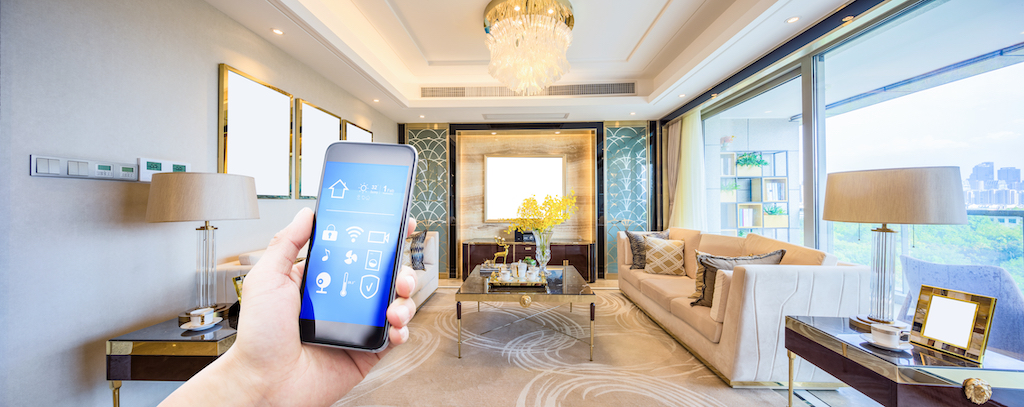
Security and convenience also elevate with pre-planned smart integration. Voice-activated controls for lighting, automated shades that adjust based on the sun’s position, and keyless entry systems are now baseline features. Crucially, developers must ensure a robust, future-proof cybersecurity infrastructure and network wiring to support these systems, recognizing that a home’s digital security is just as important as its physical security. For the modern homeowner, the power to manage their entire residence from a single, intuitive interface on their smartphone or a central wall panel is the ultimate definition of modern convenience.
The Wellness-Focused Residence: Designing for a Better Life
Perhaps the most significant shift in home development is the move towards designing residences that actively support the physical and mental health of their occupants. The home is now seen as the primary vehicle for personal wellness.
Biophilic design, the concept of connecting residents with the natural environment, is central to this trend. This manifests through expansive floor-to-ceiling windows that maximize natural light, the integration of indoor gardens or green walls, and the use of organic materials like natural stone and wood that create a calming, tactile environment. Good natural light—specifically circadian lighting systems that mimic the natural shift of daylight—is crucial for regulating sleep cycles and boosting mood.
Beyond aesthetics, air and water quality are paramount. High-efficiency Energy Recovery Ventilators (ERVs) and advanced air purification systems work silently to ensure a constant supply of fresh, clean air, filtering out pollutants and allergens. Similarly, built-in water filtration systems provide clean drinking water straight from the tap.
Finally, the design must reflect the modern, flexible lifestyle. The rise of remote work has cemented the need for dedicated, soundproof flex spaces that can function as home offices, gyms, or meditation rooms. Open-plan living is tempered by the need for “defined boundaries”—sliding doors or smart partitions that allow spaces to be quickly reconfigured for privacy or multi-functionality, supporting both focused work and shared family time.
The Way Forward
Developing a successful home in today’s market is a masterclass in balance. It requires respecting the planet, embracing technology, and prioritizing the human element. For developers, this means moving away from mass-produced uniformity towards creating unique, adaptable, and high-performance living environments. For buyers, it means demanding a home that is an investment not just in real estate, but in their future well-being and a sustainable lifestyle. The next-gen home is not a futuristic concept; it is the present reality of thoughtful, ethical, and intelligent home development.