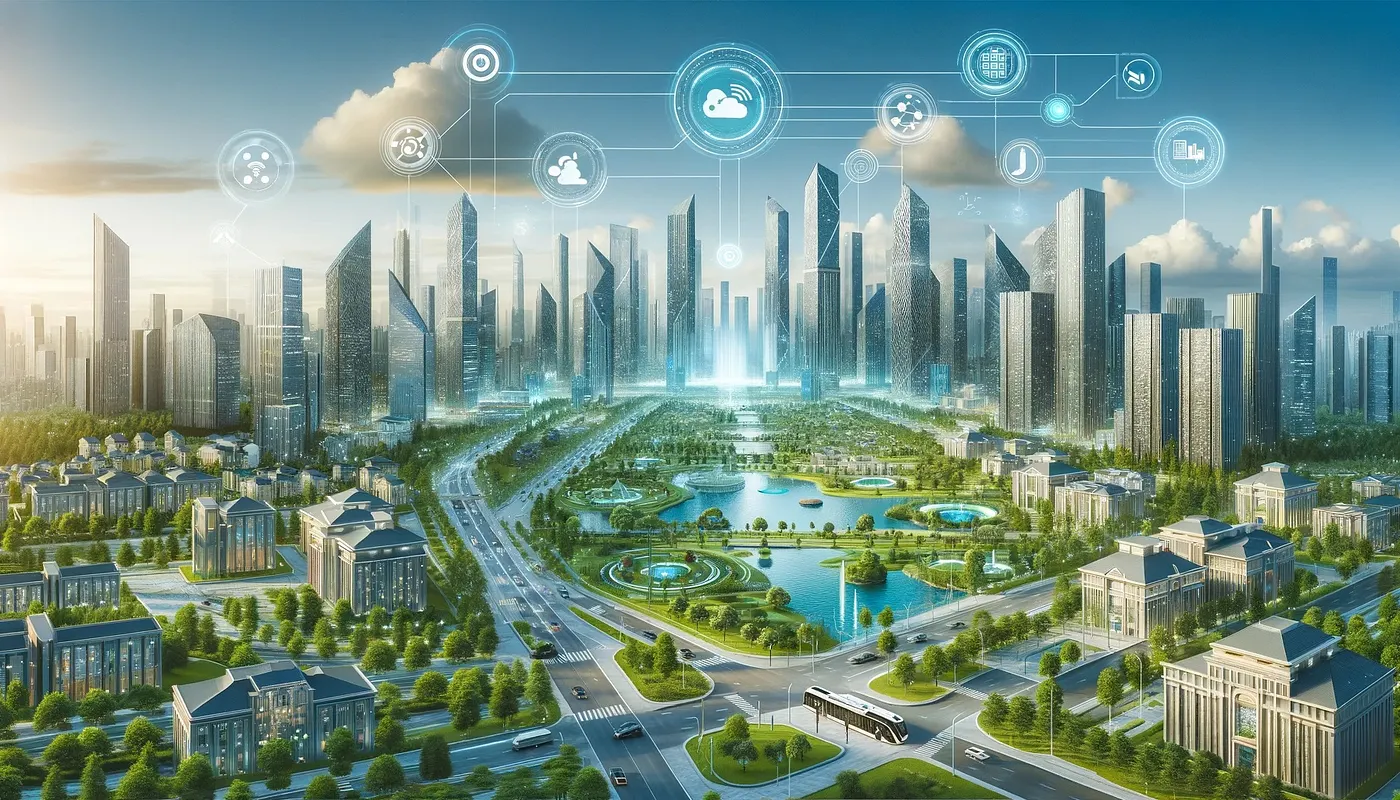
The concept of “home” has always represented more than just a structure; it’s a sanctuary, a base for life, and a significant investment. In the 21st century, the process of home development is undergoing a profound transformation, moving beyond mere construction to embrace holistic approaches that prioritize sustainability, technological integration, and occupant well-being. This shift reflects broader societal changes and an increasing demand for residential spaces that are not only functional but also responsible and future-proof.
The Pillars of Modern Residential Design
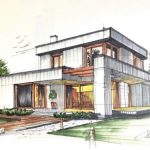
Modern home development is defined by a departure from traditional, compartmentalized layouts. A key trend is the ubiquitous open floor plan, which eliminates non-essential walls to create flowing, multi-functional spaces that enhance social interaction and maximize natural light penetration. This architectural choice addresses the contemporary desire for flexibility, allowing a single area to seamlessly serve as a kitchen, dining room, and living space.
Beyond aesthetics, functionality and efficiency are paramount. Developers are increasingly integrating smart home technologies from the ground up. These range from automated climate control and smart security systems to energy-efficient appliances and voice-activated assistants. This technological layer transforms a static structure into a responsive living environment, offering residents unparalleled convenience, customization, and control over their utility consumption.
Furthermore, there is a distinct emphasis on connecting with nature. Large windows, glass doors, and thoughtful landscaping blur the line between indoor and outdoor living. Patios, decks, and accessible gardens are no longer afterthoughts but integral components of the design, providing essential natural light and fostering a sense of wellness and retreat within the urban or suburban setting.
The Imperative of Sustainability
Perhaps the most significant force reshaping home development today is the demand for sustainability. Faced with climate change and rising energy costs, “green building” has transitioned from a niche concept to a core industry standard. Modern developers are adopting principles that minimize environmental impact across a project’s lifecycle, from material sourcing to daily operation.
This involves several key strategies. Firstly, the use of sustainable and locally-sourced materials—such as reclaimed wood, recycled metals, and low-VOC (Volatile Organic Compound) paints—reduces the carbon footprint associated with transportation and manufacturing. Secondly, new homes are designed for maximum energy efficiency. This includes superior insulation, strategically placed windows for passive solar heating and cooling, and the integration of renewable energy sources like solar panels. The goal is often to achieve net-zero carbon emissions, where the home produces as much energy as it consumes.
In addition to energy, water management is a critical sustainable practice. This involves installing low-flow fixtures, using drought-resistant landscaping, and implementing rainwater harvesting or greywater recycling systems. By conserving water and energy, sustainable homes not only benefit the planet but also provide significant long-term savings for homeowners, making them a wise financial choice.
Future Trends: Resilience and Community
Looking ahead, home development will continue to be influenced by technological advancement and shifting societal needs, specifically focusing on resilience and community integration.
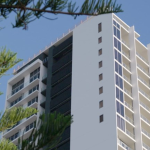
The trend towards mixed-use developments is gaining momentum, particularly in urban areas. These projects integrate residential units with commercial spaces, offices, and recreational areas, creating self-sufficient, walkable communities. This design philosophy reduces reliance on vehicular transport, encourages social interaction, and supports a healthier, more local economy—a complete lifestyle that appeals strongly to modern renters and buyers.
Another crucial future trend is climate resilience. As weather patterns become more unpredictable, new homes must be built to withstand extreme conditions. This involves using durable, climate-appropriate building materials and incorporating features like elevated foundations for flood protection and reinforced structures for high winds. Adaptability is key, ensuring homes remain safe and functional throughout their lifespan.
Finally, the post-pandemic era has solidified the need for flexible spaces within the home. Dedicated “pocket offices,” flexible rooms that can transition between a guest room, gym, or workspace, and access to shared co-working amenities within the development are becoming standard. This acknowledges the permanence of remote and hybrid work models, positioning the home as the central hub for all aspects of modern life.
In conclusion, the future of home development is bright, demanding, and complex. It requires developers to be not just builders, but innovators who marry aesthetic design with ethical responsibility. The trajectory is clear: the most desirable homes of tomorrow will be those that are technologically smart, environmentally sustainable, and deeply integrated into a supportive, resilient community. The evolution of the dwelling is not just a story of bricks and mortar, but of a commitment to a better, more conscious way of living.