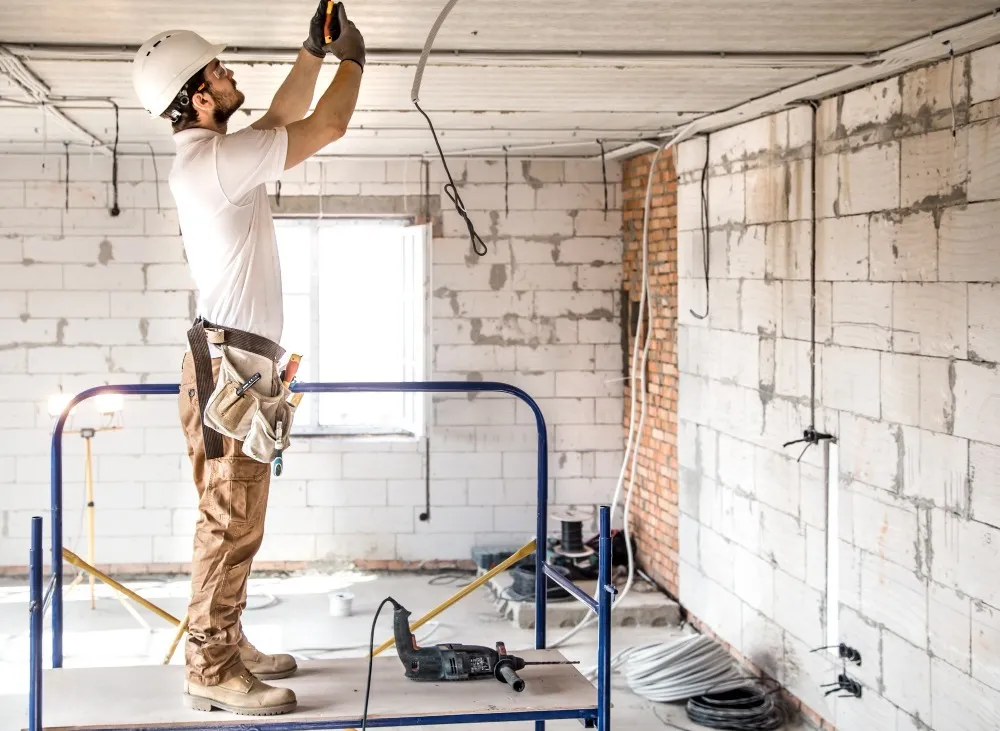
Owning a home is one of the most significant investments a person can make. Beyond the initial purchase, maintaining and enhancing this asset through regular repair and strategic renovation is crucial for preserving its value, ensuring safety, and maximizing comfort. While the prospect of major work can seem daunting, a well-planned approach to building repair and improvement transforms a house into a cherished and enduring home.
The cornerstone of effective building repair is proactive maintenance. Many homeowners tend to only address issues when they become obvious and critical—a leaking roof, a failing HVAC system, or a burst pipe. However, this reactive approach invariably leads to more costly, time-consuming, and stressful repairs.
Preventive maintenance is the antidote. Simple, regular tasks, such as cleaning gutters, inspecting the roof for damaged shingles, checking for leaks around windows and plumbing fixtures, and servicing the HVAC unit, can catch minor defects before they escalate. For instance, a small, unattended roof leak can lead to extensive water damage, mold growth, and structural decay, costing thousands to rectify later. By addressing the root cause early, homeowners can save money and extend the lifespan of their home’s most important components.
Furthermore, a well-maintained property retains and often increases its resale value. Buyers are generally willing to pay a premium for a home that appears well-cared for and requires no immediate, large-scale repairs. This regular upkeep contributes to a higher quality of life, promoting a safer, more comfortable, and energy-efficient living environment for the occupants.
Planning Your Renovation Project
When maintenance transitions into a desire for significant upgrades or functional changes, a thoughtful renovation plan is paramount. Whether you are contemplating a simple room refresh or a complete home overhaul, organization is the key to a successful outcome.
1. Define Goals and Budget 💰
The first step is clearly defining your “wants” and “needs.” Are you renovating for better functionality, increased aesthetics, or a higher return on investment (ROI)? Establishing a detailed budget is critical. Be sure to allocate a contingency fund—typically 10% to 20% of the total budget—for unforeseen issues, as unexpected problems are common in any construction or repair project, especially in older buildings.
2. Design and Schedule of Works 🗓️
Develop a clear design or a “scope of work.” For major projects like structural changes, it is essential to consult with professionals—architects, interior designers, or structural engineers—to ensure the design is sound and adheres to local building codes.
Crucially, create a “Schedule of Works.” This is an ordered list of every job, from demolition and structural work to first-fix installations (plumbing, wiring, heating), plastering, and finally, second-fix installations (fixtures, fittings, decoration). Sticking to this schedule minimizes delays and ensures that tradespeople work efficiently without getting in each other’s way.
Prioritizing Key Repair and Renovation Areas
Not all repairs and renovations are equal. Focusing on key areas provides the biggest benefits in terms of safety, function, and ROI.
Structural and Envelope Integrity: Always address foundational, roofing, and siding issues first. These elements are the protective shell of your home. Any compromise here jeopardizes everything underneath. A secure roof and dry basement are non-negotiable.
Energy Efficiency: Upgrades that enhance energy efficiency are wise investments. Replacing old, leaky windows with modern, double-glazed units, improving insulation in the attic and walls, and updating to energy-efficient HVAC systems can significantly reduce utility bills and increase comfort year-round.
Kitchens and Bathrooms: These areas consistently offer the highest ROI. However, a full remodel is not always necessary. Cost-effective updates like replacing fixtures, refinishing cabinets, adding new lighting, and updating countertops can make a dramatic difference without the expense of a complete overhaul.
Embracing Cost-Effective Updates
For those on a tighter budget, many high-impact improvements can be achieved with minimal cost, often as DIY projects:
Fresh Paint: A new coat of paint, inside and out, is arguably the most transformative and affordable update. It immediately brightens and modernizes any space.
Fixture and Hardware Upgrades: Replacing dated cabinet handles, drawer pulls, light fixtures, and faucets with modern alternatives instantly elevates the look of a kitchen or bathroom.
Enhancing Curb Appeal: The exterior’s “curb appeal” matters greatly. Simple landscaping improvements, a new mailbox, a fresh coat of paint on the front door, and clean, well-maintained walkways create a strong first impression.