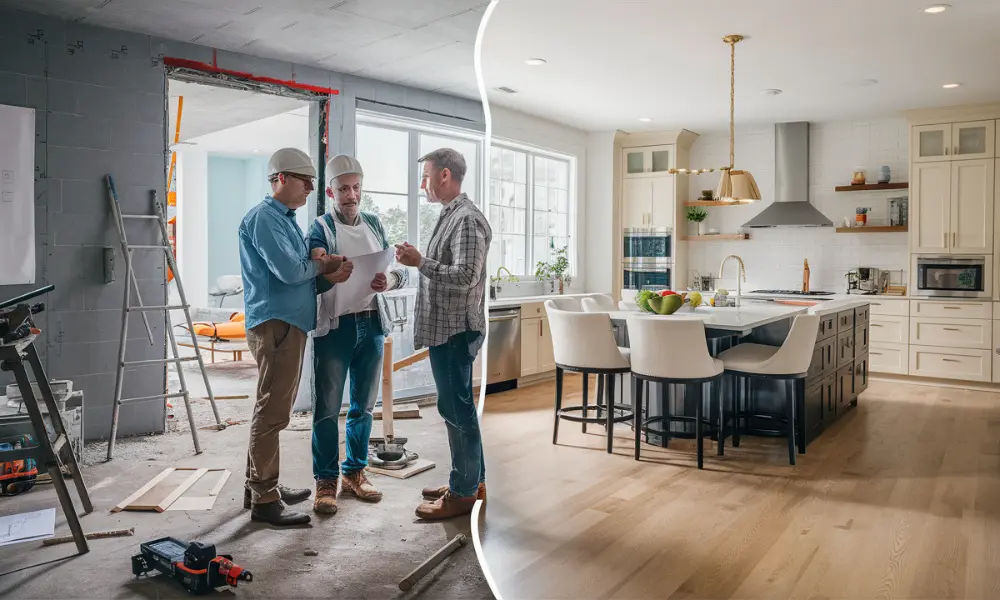
Renovating a home is one of those projects that can feel both exciting and intimidating at the same time. On one hand, you get the opportunity to transform your living space into something that reflects your personality, lifestyle, and long-term needs. On the other hand, renovations can bring unexpected costs, delays, and a fair share of stress if not planned carefully. Whether you’re aiming for a small update or a full-scale remodel, approaching the process with realistic expectations and solid preparation can make all the difference.
The first step in any successful home renovation is defining your goals as clearly as possible. Are you renovating to improve comfort, increase resale value, or simply refresh an outdated design? For example, homeowners who plan to sell within a few years often focus on kitchens, bathrooms, and curb appeal areas that typically yield the highest return on investment. Meanwhile, those who intend to stay long-term might prioritize structural improvements, energy efficiency, or adding extra rooms. Knowing your objective helps you allocate your budget wisely and avoid unnecessary expenses.
Speaking of budget, this is usually where many renovation plans start to shift. It’s essential to set a realistic budget early on, but it’s equally important to prepare for the unexpected. Renovation professionals often recommend setting aside an additional 10 to 20 percent of your total budget for surprises. Old wiring behind a wall, hidden water damage, or foundation issues can appear once construction begins. By planning for these possibilities in advance, you protect yourself from financial stress later.
Once your goals and budget are set, the next step is gathering inspiration. This part can be fun browsing design magazines, exploring Pinterest boards, or visiting showrooms can spark ideas you might not have considered. When you collect examples of what you like, pay attention to common themes: Are you drawn to natural wood tones? Minimalist layouts? Warm lighting? Identifying your personal style helps streamline decision-making when choosing materials, colors, and finishes.
With your ideas in hand, it’s time to think about hiring the right professionals. While DIY projects are popular and can save money, some tasks like electrical work, plumbing, or structural changes should always be handled by licensed experts for safety reasons. When interviewing contractors, don’t hesitate to ask detailed questions: How long have they been in business? Can they provide references? What does their timeline look like? A trustworthy contractor should communicate clearly, offer a transparent estimate, and be open about any challenges they foresee.
Before construction begins, preparing your home is just as important as the renovation work itself. Depending on the scale of your project, you may need to temporarily relocate furniture, cover belongings to protect them from dust, or even move out for a short period if essential rooms like kitchens or bathrooms will be inaccessible. Setting up a temporary cooking area or arranging alternate accommodations in advance helps you maintain normal routines while the renovation is underway.
As the renovation progresses, communication is key. Regular check-ins with your contractor help ensure the project stays on schedule and that any issues are addressed early. It’s completely normal for minor adjustments to happen along the way perhaps you decide a certain tile doesn’t look as good in person, or the lighting feels too dim. Staying flexible while still keeping your main goals in mind helps you adapt without losing control of the project.
Another aspect homeowners often underestimate is the emotional side of renovation. Living through construction can be noisy, messy, and occasionally frustrating. It’s helpful to remind yourself that the inconvenience is temporary and that the result will be worth it. Taking photos along the way can also help you appreciate the progress, especially during phases when it feels like nothing is happening visibly.
When the renovation is finally complete, take time to inspect everything carefully. Make sure all work matches the agreed-upon plan and that any final touch-ups are addressed before the contractor closes the project. This is also the perfect moment to ask questions about maintenance how to care for new surfaces, when to change filters, or what warranties cover.
Ultimately, a home renovation isn’t just about improving a building, it’s about creating a space that supports your lifestyle and brings you comfort. With thoughtful planning, open communication, and a realistic mindset, the process can be smoother, more enjoyable, and far more rewarding. Renovations may come with challenges, but they also offer the opportunity to reimagine your home in ways that make everyday life more meaningful.