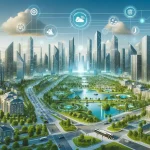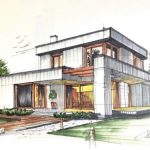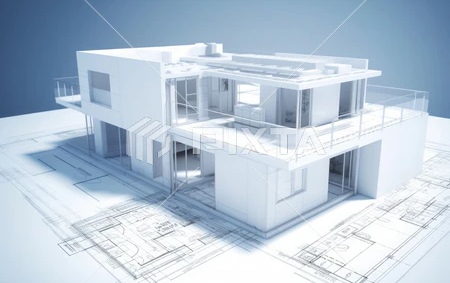
The act of building a home is a fundamental human endeavor, but in the 21st century, residential development has transcended simple construction. It is now a complex, multidisciplinary process driven by technological innovation, urgent environmental demands, and evolving lifestyle preferences. Modern residential home development is charting a course toward spaces that are smarter, more flexible, and inherently more sustainable, fundamentally reshaping the communities we live in.
I. The New Aesthetics of Living: Design and Functionality
Today’s homeowners demand residences that are adaptive to their dynamic lives. The traditional floor plan is continuously being refined to maximize natural light and social connectivity.
The Rise of Flexible Spaces
The most significant design trend remains the open-plan concept, yet it is evolving. Developers are now creating “zoned” open plans, which utilize partial walls, architectural screens, or varying ceiling heights to subtly define function—separating a cozy living area from a busy kitchen—while maintaining the visual flow. This addresses the post-pandemic need for multi-purpose rooms (or “flex rooms”) that can seamlessly transition from a home office or remote learning station by day to a guest bedroom or fitness area by night.
Seamless Indoor-Outdoor Integration
The boundary between the home and its natural surroundings is intentionally blurred. Large sliding glass doors, floor-to-ceiling windows, and integrated covered patios are standard features, promoting biophilic design—the principle of connecting occupants to nature. This not only enhances the aesthetic appeal but is directly linked to improved mental and physical well-being. Outdoor spaces are no longer just gardens; they are essential extensions of the living area, often featuring full outdoor kitchens, fire pits, and dedicated lounging zones.
II. The Sustainable Imperative: Building for a Greener Future
The mounting concern over climate change has made sustainability the non-negotiable cornerstone of modern home building. Developers are moving beyond simple energy-saving measures toward achieving true resilience and net-zero energy consumption.
Materials and Construction
The focus starts with the materials. There is a growing preference for low-carbon, locally sourced, and reclaimed materials, such as cross-laminated timber (CLT) and recycled steel, to reduce the embodied carbon of the structure. Furthermore, the efficiency of the building envelope—the roof, walls, and foundation—is critical. High-performance insulation, combined with triple-glazed windows and advanced moisture management systems, drastically reduces the energy load required for heating and cooling.
Energy and Water Systems
The integration of renewable energy is no longer optional. New developments frequently include solar-integrated roofing tiles and dedicated battery storage systems, aiming to achieve net-zero homes that generate as much power as they use. Simultaneously, smart water management systems—from low-flow plumbing fixtures to rainwater harvesting and greywater recycling—are becoming standard to mitigate water scarcity issues. Sustainable development is increasingly viewed not just as an environmental duty but as a practical financial benefit that lowers long-term utility costs for the homeowner.
III. Technology and the Smart Home Ecosystem
Technology is woven into the very fabric of the modern residence, transforming it into a smart home ecosystem.
The focus has shifted from novelty gadgets to practical, integrated automation. Discreet smart technology manages climate control, lighting, and security systems via a single, seamless platform. Residents can optimize their energy usage in real-time using smart thermostats and monitor appliance performance. Automated systems, like app-controlled blinds and responsive lighting that adjusts to natural daylight, enhance comfort and reduce energy waste, solidifying the home’s role as a truly responsive and efficient machine for living.
IV. Challenges and the Path Forward
Despite the promising trends, the residential development industry faces significant headwinds.
Affordability remains the most pressing issue. Sustainable and technologically advanced construction often carries a higher initial cost, which can exclude first-time buyers and low-to-middle-income families. Developers are tackling this through the adoption of modular and prefabricated construction methods. By building components off-site in controlled factory environments, waste is reduced, timelines are shortened, and construction costs are lowered, making high-quality, sustainable homes more attainable.
Furthermore, labor shortages and complex, often outdated, zoning regulations in many areas hinder the speed and scale of new construction. Overcoming these challenges requires collaboration between developers, policymakers, and local communities to streamline permitting processes and incentivize innovative, high-density housing solutions, such as mixed-use developments that blend residential, commercial, and green spaces.
In conclusion, residential home development is navigating a transformative era. The goal is no longer just to build houses, but to create high-performance, healthy, and resilient dwellings that are deeply connected to their environment and their communities. By embracing flexible design, pioneering sustainable practices, and leveraging smart technology, the industry is setting the stage for a new generation of housing that will not only meet the needs of tomorrow’s residents but also safeguard the planet for future generations.