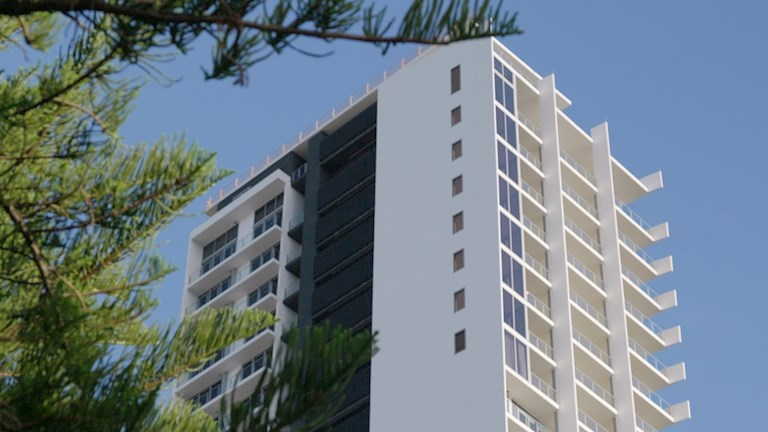
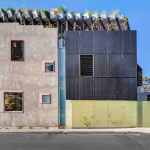
In the 21st century, modernization has become a defining force in nearly every aspect of our lives — and nowhere is this more visible than in the spaces we inhabit. The homes of today look and function very differently from those of previous generations. From smart technologies and eco-friendly materials to minimalist aesthetics and adaptable layouts, modern residential buildings represent the evolving needs and values of contemporary society.
Modernization isn’t just about keeping up with trends; it’s about creating living environments that are efficient, sustainable, and deeply connected to the way we live. The transformation of residential buildings reflects our collective pursuit of comfort, convenience, and conscious living blending innovation with timeless human desires for safety and belonging.
A century ago, homes were primarily functional places to sleep, cook, and gather as families. Most buildings followed similar layouts and construction techniques, emphasizing practicality over design. But as technology advanced and urban life grew more complex, expectations began to change. People started to seek homes that could offer both style and functionality, spaces that supported not only physical needs but also emotional and social well-being.
Today, modernization in residential architecture is driven by a mix of technological innovation, environmental awareness, and cultural shifts. Homeowners and architects alike are rethinking what “home” means in a digital, fast-paced world. A modern home is no longer just a shelter; it’s a dynamic environment designed to adapt to its occupants’ lifestyles, enhance efficiency, and reduce environmental impact.
Smart Living: Technology at the Heart of Modern Homes
Perhaps the most visible sign of modernization in residential buildings is the integration of smart technology. The rise of the Internet of Things (IoT) has made it possible to control lighting, temperature, and security systems through smartphones or voice commands. Smart thermostats learn a household’s habits and automatically adjust heating or cooling to save energy. Lighting systems can simulate natural daylight cycles to support better sleep patterns. Even kitchen appliances now come equipped with touchscreens and Wi-Fi connectivity, offering convenience that would have seemed futuristic just a decade ago.
These innovations don’t just make life easier, they also enhance safety and efficiency. Smart locks and video doorbells improve security, while sensors detect leaks or smoke before they become major problems. Energy management systems track consumption and help reduce waste. In essence, technology has transformed the modern home into an intelligent, responsive space — one that learns from its inhabitants and supports their daily routines seamlessly.
Sustainable Modernization: Building for the Future
Modernization today goes hand in hand with sustainability. The climate crisis has changed how people think about construction, pushing architects and developers to design with the planet in mind. Residential buildings are increasingly incorporating renewable energy sources, such as solar panels and geothermal heating systems. Insulation, windows, and roofing materials are chosen for their ability to conserve energy and maintain comfortable indoor climates.
Sustainable modernization also includes the use of environmentally friendly materials such as bamboo flooring, reclaimed wood, and low-VOC paints, for example, that reduce toxic emissions and promote healthier living conditions. Green roofs and vertical gardens are becoming popular in urban areas, providing insulation while improving air quality. Even the layout of homes is being reimagined to maximize natural light and ventilation, reducing reliance on artificial systems.
This eco-conscious approach doesn’t just benefit the planet; it also makes homes more affordable to operate in the long term. Lower energy bills, durable materials, and low-maintenance systems are all part of what makes a modern home both practical and responsible.
Design That Reflects Modern Lifestyles
Beyond technology and sustainability, modernization also touches on the way we design and use space. The traditional separation of rooms, kitchens, dining rooms, and living areas has given way to open-concept layouts that encourage interaction and flexibility. In modern apartments and houses, walls are often replaced by sliding doors or glass partitions, allowing light to flow freely and creating a sense of spaciousness.
Minimalism is another defining feature of modern residential design. Clean lines, neutral colors, and uncluttered spaces emphasize simplicity and calm. This aesthetic isn’t just about looks, it reflects a broader cultural shift toward mindfulness and intentional living. People are seeking homes that provide balance, spaces that are both visually appealing and emotionally restorative.
At the same time, modernization has made personalization easier than ever. Modular furniture, multifunctional rooms, and adjustable lighting let residents shape their environments to match their needs. Whether it’s a compact apartment designed for remote work or a family home with adaptable spaces, flexibility is at the core of modern living.
Community and Connectivity
Interestingly, modernization doesn’t isolate people; it often brings them closer together. Many new residential developments include shared spaces, rooftop gardens, co-working areas, fitness centers, and communal lounges encouraging social interaction and a sense of community. These features reflect a growing recognition that mental health and social connection are essential parts of a fulfilling lifestyle.
Connectivity also extends beyond social life to digital infrastructure. Modern residential buildings are equipped with high-speed internet, charging stations for electric vehicles, and smart grid connections. These advancements ensure that homes remain compatible with emerging technologies and evolving lifestyles.
The Challenges of Modernization
Of course, modernization isn’t without its challenges. The cost of advanced technologies and sustainable materials can be prohibitive for some homeowners. There’s also the risk that rapid innovation could lead to obsolescence, systems that feel cutting-edge today may be outdated in just a few years. Moreover, the rush to modernize can sometimes overlook the importance of cultural heritage and architectural identity.
Striking a balance between progress and preservation is crucial. Modernization should not mean erasing the past but rather integrating the best of both worlds: the efficiency of modern design with the warmth and character of traditional architecture.
Conclusion: The Future of Home
Modernizing residential buildings is more than a design movement, it’s a reflection of how we envision the future of living. As technology advances and environmental concerns grow, our homes will continue to evolve into smarter, greener, and more human-centered spaces.
Ultimately, modernization is not about creating cold, mechanical environments. It’s about using innovation to enhance comfort, sustainability, and emotional well-being. The modern home is a living ecosystem one that adapts, learns, and grows alongside the people who call it their own.