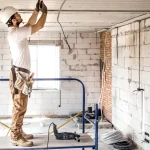
Maintaining a home is an ongoing process, and sooner or later every homeowner faces the need for repairs. Whether it’s a leaky roof, cracked tiles, or a door that won’t close properly, these issues can’t be ignored for long. Fortunately, most home repairs don’t require an engineering degree or a full renovation budget. With the right mindset, basic tools, and a bit of patience, you can keep your home comfortable, safe, and looking great.
One of the most important steps in home repair is identifying problems early. Small issues often become big, expensive problems when left unnoticed. For example, a minor water stain on the ceiling might seem harmless, but it could signal a hidden leak that will eventually damage the structure of your roof or walls. By regularly inspecting your home checking pipes, ceilings, windows, and flooring you can catch these warning signs before they escalate.
Another key aspect of home repair is understanding which tasks you can handle yourself and which require professional help. Many homeowners like to save money by doing repairs independently, and that’s a great approach for simple tasks like painting, fixing squeaky hinges, replacing light fixtures, or patching small holes in the wall. DIY work can be satisfying and cost-effective. However, for electrical wiring, large plumbing jobs, roof repairs, or anything involving structural changes, it’s safer to hire a professional. Attempting complex repairs without proper knowledge can result in accidents and even more damage.
Planning is essential when approaching any home repair project. Before you start, gather all necessary materials and tools. There’s nothing more frustrating than having to run back to the store halfway through a project because you’re missing a crucial item. Make a checklist of what you need: measuring tape, screwdrivers, a hammer, protective gear, and specific materials like paint, tiles, or sealant. Preparing in advance ensures a smoother process and helps you avoid mistakes.
Budgeting is another factor that homeowners often underestimate. Even small repairs can add up, especially if they involve materials that need to be replaced. Creating a simple budget allows you to prioritize which repairs should be done immediately and which can wait. Safety-related issues, such as faulty wiring or mold, should always be addressed first. Cosmetic fixes like repainting or replacing cabinet handles can be scheduled when your budget allows.
Home repair is also an opportunity to improve your home’s energy efficiency. For example, sealing gaps in windows and doors can prevent heat loss, reducing your electricity bill. Replacing old light bulbs with LED alternatives not only brightens your home but also saves energy. These small upgrades may seem minor, but over time they make a significant difference in both comfort and expenses.
One of the most rewarding parts of home repair is the sense of accomplishment. Completing a project, even a small one, helps you feel more connected to your living space. It also builds confidence, making future tasks easier. If you’re new to home repair, start with simple projects like repainting a room, fixing a loose doorknob, or installing shelves. As you become more comfortable, you can take on slightly more complex jobs.
It’s also helpful to learn from others. There are countless tutorials, videos, and guides available online that explain step-by-step how to fix almost anything. Joining homeowner forums or following DIY communities can provide valuable tips and support. If you have a neighbor or friend who enjoys fixing things, don’t hesitate to ask them for advice. Most people are happy to share what they know.
Finally, remember that home repair is not just about fixing what’s broken, it’s about taking care of the place where you live. A well-maintained home creates a more pleasant environment, increases property value, and makes everyday life easier. It also reduces stress, because you’re not constantly worrying about what might break next.
Home repair can seem overwhelming at times, but with a practical approach and a willingness to learn, anyone can manage it. Start small, stay organized, and don’t be afraid to seek professional help when necessary. Over time, you’ll develop skills that save money, improve your home, and give you greater peace of mind. Your home is one of your biggest investments, and caring for it is truly worth the effort.