Building a home is more than just assembling walls, floors, and a roof it’s the creation of a personal sanctuary, a space shaped around the needs, hopes, and identity of the people who will live in it. Residential construction is a significant investment, both financially and emotionally, and understanding the steps involved can help homeowners navigate the process with confidence. While each project is unique, the journey from empty land to a fully finished home generally follows a predictable path.
The first stage of residential construction begins long before any physical work takes place. It starts with planning, arguably the most important part of the entire project. Homeowners typically begin by evaluating their needs: How many bedrooms are necessary? Will the home include an office, a garden, or a garage? Should the layout be open and modern, or more traditional and segmented? This stage is also where long-term considerations come into play. For example, families planning to grow may want extra rooms, while retirees might design for accessibility and low maintenance.
After clarifying these needs, the next step is selecting a suitable location. The site of a home influences everything from construction costs to lifestyle. Factors such as soil condition, slope, drainage, sunlight exposure, and local zoning regulations all play crucial roles. A beautiful plot of land might seem perfect at first glance, but issues like unstable soil or strict building restrictions can significantly complicate construction. This is why hiring professionals, such as surveyors and architects, early in the process is essential for avoiding costly surprises later.
Once the land is secured and initial concepts are formed, the design phase begins. Architects and designers work closely with homeowners to translate ideas into detailed plans. This includes drawing floor layouts, determining structural requirements, selecting building materials, and addressing energy-efficiency goals. Modern residential construction increasingly prioritizes sustainable design, with many homeowners choosing features like solar panels, energy-efficient windows, or rainwater harvesting systems. While these improvements add upfront cost, they often reduce long-term expenses and create a more environmentally responsible home.
When architectural plans are finalized, the project enters the permitting stage. Local authorities review the designs to ensure they comply with safety codes, structural standards, and environmental regulations. Though this step can feel slow, it plays an essential role in ensuring that the home is safe and legally compliant. Only after receiving all necessary permits can construction officially begin.
The physical construction process typically starts with site preparation. Builders clear the land, remove debris, and level the surface as needed. This is followed by laying the foundation, one of the most critical components of the home. Depending on the location and design, this may involve a concrete slab, a crawl space, or a full basement. A strong, well-built foundation ensures the stability and longevity of the entire structure.
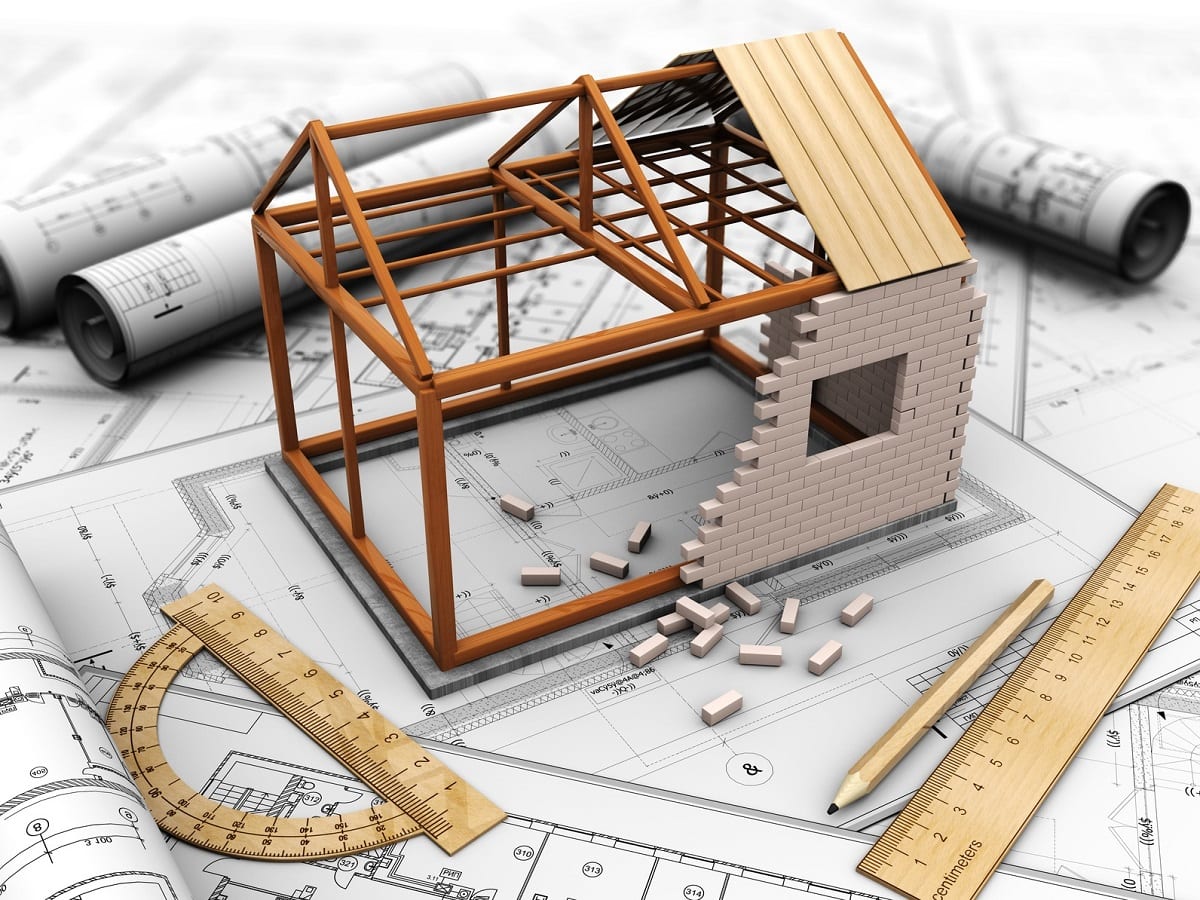
Next comes framing, where the skeleton of the house takes shape. Wooden or steel frames outline the walls, floors, and roof structure. At this stage, homeowners can finally walk through the emerging spaces and get a sense of what their future home will feel like. After framing is completed, builders install essential systems such as plumbing, electrical wiring, and HVAC components. These hidden elements are the lifelines of a modern home, making it comfortable and functional.
Once the internal systems are installed and inspected, the project moves to insulation and drywall. Proper insulation is vital for energy efficiency and temperature control, helping keep utility costs manageable. After insulation, drywall is installed to form the interior walls and ceilings, giving the home a clean, smooth canvas for painting and finishing.
The next phase focuses heavily on aesthetics and detailed craftsmanship. Exterior finishes like siding, brickwork, or roofing materials are applied to protect the home from weather and enhance curb appeal. Inside, builders install flooring, cabinetry, countertops, and fixtures. This is often the most exciting stage for homeowners because it brings their vision to life. Choices like tile patterns, wall colors, light fixtures, and hardware begin to define the character and style of the home.
Toward the end of the construction process, the final inspections take place. Local authorities verify that everything meets safety and quality standards. Any remaining touch-ups such as paint corrections or adjustments to doors and Windows are completed during this time. Once the home passes all inspections, it is ready for handover.
For homeowners, moving into a newly built house is a uniquely rewarding experience. Every corner reflects a decision they made, every detail echoes their taste, and every space has been shaped with intention. While residential construction can be complex and sometimes overwhelming, proper planning, good communication with professionals, and realistic expectations can turn the journey into a meaningful and even enjoyable experience.
In the end, a home isn’t just a building it’s a personal foundation for memories, comfort, and growth. And understanding how it comes to life makes that foundation even stronger.